


There's a moment every food and beverage brand celebrates.
A customer discovers your product for the first time. Maybe they notice it on a crowded grocery shelf. Maybe a friend recommends it. Maybe a recipe catches their attention on social media and leads them to your website. They buy your product, try it, and love it.
On the surface, that's a win.
But from our experience working with consumer brands, that's actually where the real challenge begins.
The first purchase is only the introduction. The brands that achieve long-term, sustainable growth are the ones that turn that first interaction into an ongoing relationship.
Too often, that relationship never happens.
The customer disappears. There's no meaningful follow-up, no continued conversation, and no digital experience that makes them feel remembered. They become another anonymous transaction rather than a loyal customer.
That's a costly missed opportunity because repeat customers don't just spend more over time. They trust your brand more, recommend it to friends and family, and become advocates who fuel growth in ways no advertising campaign ever could.
Interestingly, the fastest-growing brands we work with aren't always the ones spending the most on customer acquisition. They're the ones investing in experiences that give customers a reason to come back.
The challenge is that every customer arrives with a different story.
Think about someone visiting your website for the very first time. Their questions are completely different from someone who's been buying your products for years. A grocery retailer exploring a potential partnership needs entirely different information than a parent searching for healthier lunchbox ideas. A shopper researching ingredients has different priorities than someone looking for recipes or nutritional guidance.
Yet many brand websites still present the exact same experience to everyone.
It's a little like walking into your favorite neighborhood café every morning only to have the barista ask if you've ever been there before. Eventually, you start wondering why nobody remembers you.
Consumers expect more today. They expect brands to recognize where they are in the journey and respond accordingly.
That's why we believe the role of the modern website has fundamentally changed.
For years, websites were treated like digital brochures. They looked great, communicated the essentials, and sat online waiting for visitors to arrive.
That approach no longer matches how people interact with brands.
Today's website should behave more like a living ecosystem. Every visit should make it a little smarter. Every click should reveal something about what a customer is looking for. Every interaction should help strengthen the relationship rather than simply deliver information.
This is where many conversations about personalization miss the point.
Adding someone's first name to an email isn't personalization. Neither is recommending random products based on a recent purchase.
Real personalization begins with recognition.
It means understanding why someone is visiting, what they've already explored, where they are in their relationship with your brand, and helping them take the next logical step.
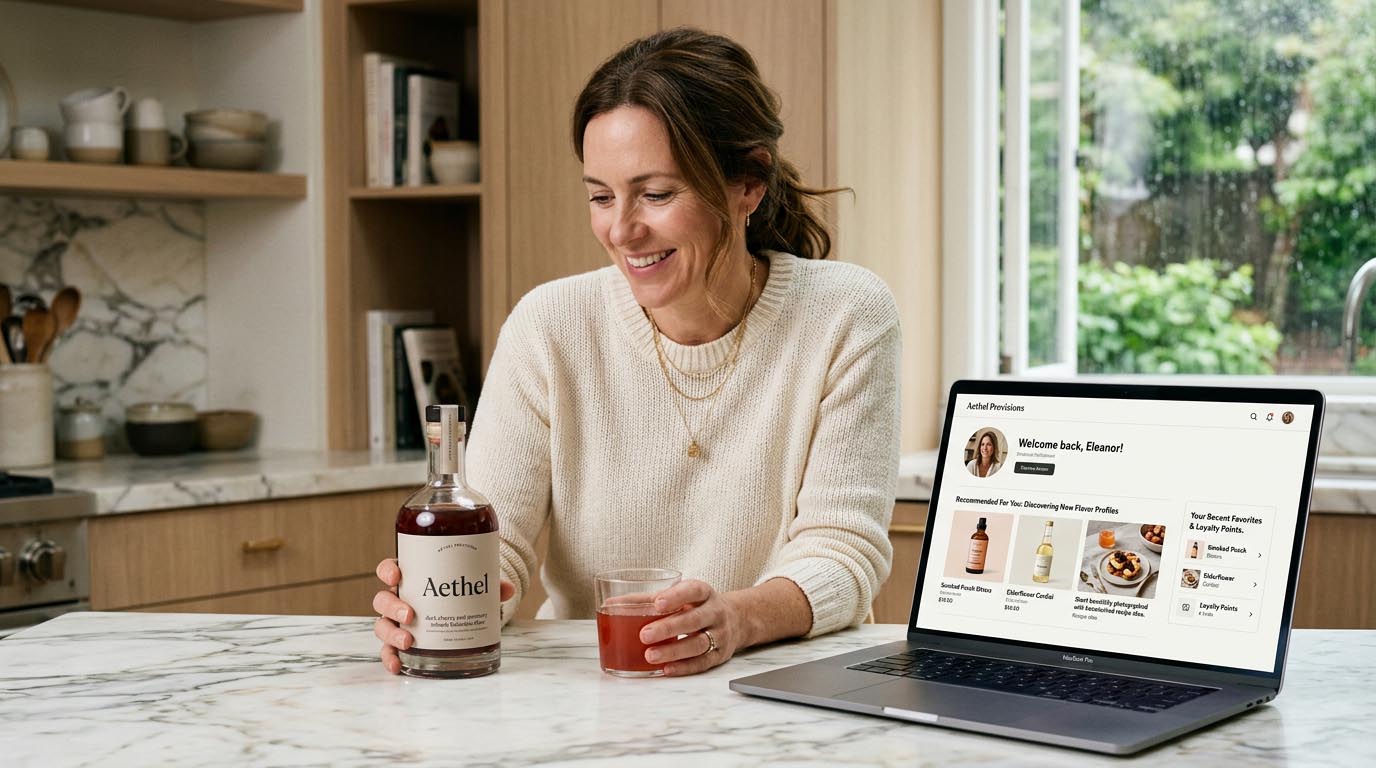
Imagine a returning customer landing on your website and immediately discovering seasonal recipes featuring products they've previously shown interest in. A retailer sees distribution opportunities instead of consumer messaging. Parents are guided to meal inspiration, while health-conscious shoppers find nutritional information without searching for it.
It's still one website.
It simply behaves differently because every visitor has different needs.
Technology isn't replacing human connection in those moments. It's making meaningful human connection possible at a scale that would otherwise be impossible.
We've seen the impact this can have across a wide variety of brands.
When we partnered with Gummi FunMix™, the objective wasn't simply to launch a new product with another promotional landing page. We wanted to create an experience that encouraged participation. Through an interactive campaign and sweepstakes, customers became part of the story rather than passive observers, creating the kind of engagement that naturally leads to advocacy.
For Green Valley Lactose Free, the challenge looked completely different. Consumers frequently assumed the products were plant-based simply because they saw "lactose free" on the packaging. Before shoppers could become loyal customers, they first needed clarity. By redesigning the digital experience to answer those questions immediately, we helped replace confusion with confidence, laying the foundation for stronger long-term relationships.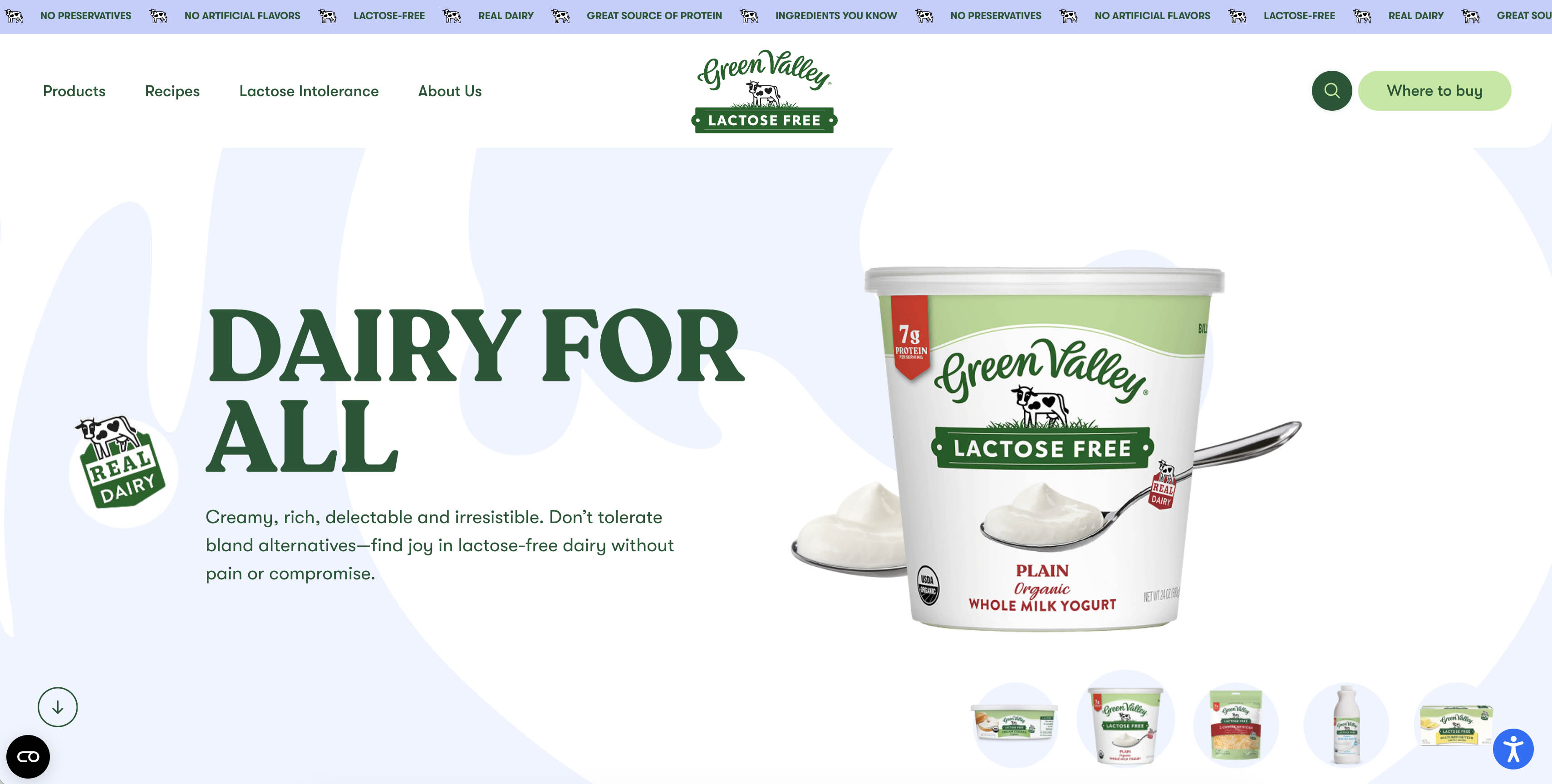
The industries may differ, but the underlying principles remain remarkably consistent.
For Hisense, personalization helps consumers navigate complex purchasing decisions with confidence. For Panini, it strengthens the connection between collectors, communities, and product launches. For Cornerstone Financing, we've transformed HubSpot into a far more intelligent customer engagement platform by integrating technologies like RB2B, which give every interaction more context and make communication feel increasingly timely, relevant, and human.
Every project reinforces the same lesson.
Great digital experiences aren't static.
They evolve.
Unfortunately, many organizations struggle because the systems supporting those experiences don't work together.
Marketing has one version of the customer. Sales has another. The CRM stores valuable information, while analytics, automation platforms, website behavior, and sales conversations all live in separate places. Customers experience these disconnects immediately, even if the business doesn't.
The website doesn't recognize they're returning. Email campaigns recommend content they've already consumed. Promotions feel random instead of relevant. Every disconnected interaction quietly erodes trust.
Connected digital experiences solve this problem by allowing each interaction to build on the last. Instead of isolated campaigns, brands begin creating continuous conversations that feel natural and consistent.
And that's where loyalty really begins.
Trust isn't created through one exceptional campaign or one memorable purchase. It's built through hundreds of small moments where customers feel understood, recognized, and valued.
Over time, those customers stop acting like buyers.
They become advocates.
They recommend your products around the dinner table. They share recipes with friends. They post about your brand online. They defend you when competitors enter the conversation. They become an extension of your marketing team because their loyalty was earned, not purchased.
Advocacy has always been one of the most powerful drivers of growth. Advances in technology give brands more opportunities to earn it.
Looking ahead, we believe the next generation of successful food and beverage brands won't be defined solely by the quality of their products. They'll be defined by how well they understand the people buying them.
For your brand to thrive, your team needs to connect behavioral insights, AI, CRM data, marketing automation, and intelligent content into experiences that continuously adapt as relationships evolve. Treat every visitor as an audience of one instead of another anonymous website session.
Your websites should not simply exist online.
It should learn.
It should adapt.
And it should grow alongside the customers it serves.
That's what we believe a modern digital experience should be.
Not a static website, but a living brand experience, one that evolves in real time, creates conversations instead of campaigns, and transforms first-time buyers into loyal customers and loyal customers into your most valuable source of sustainable growth.
Because your biggest growth opportunity isn't finding more customers.
It's making sure the ones who already chose you have every reason to choose you again.
Time for a digital transformation? Let’s make it happen