


For years, digital advertising has operated on a comfortable illusion: that more data naturally leads to better targeting. Brands built campaigns around segments, personas, and increasingly granular audience definitions, trusting that platforms would find the right people at the right time. And for a while, that worked well enough.
But something fundamental has shifted.
Privacy regulations, signal loss, and platform restrictions have quietly eroded the effectiveness of traditional targeting. Third-party cookies are fading. Platform-reported conversions are less reliable. Lookalike audiences are broader, less precise, and often unpredictable. What used to feel like precision now resembles educated guesswork.
In that environment, most retargeting has become exactly that: guesswork with a budget attached.
A Better Way to Think About Retargeting
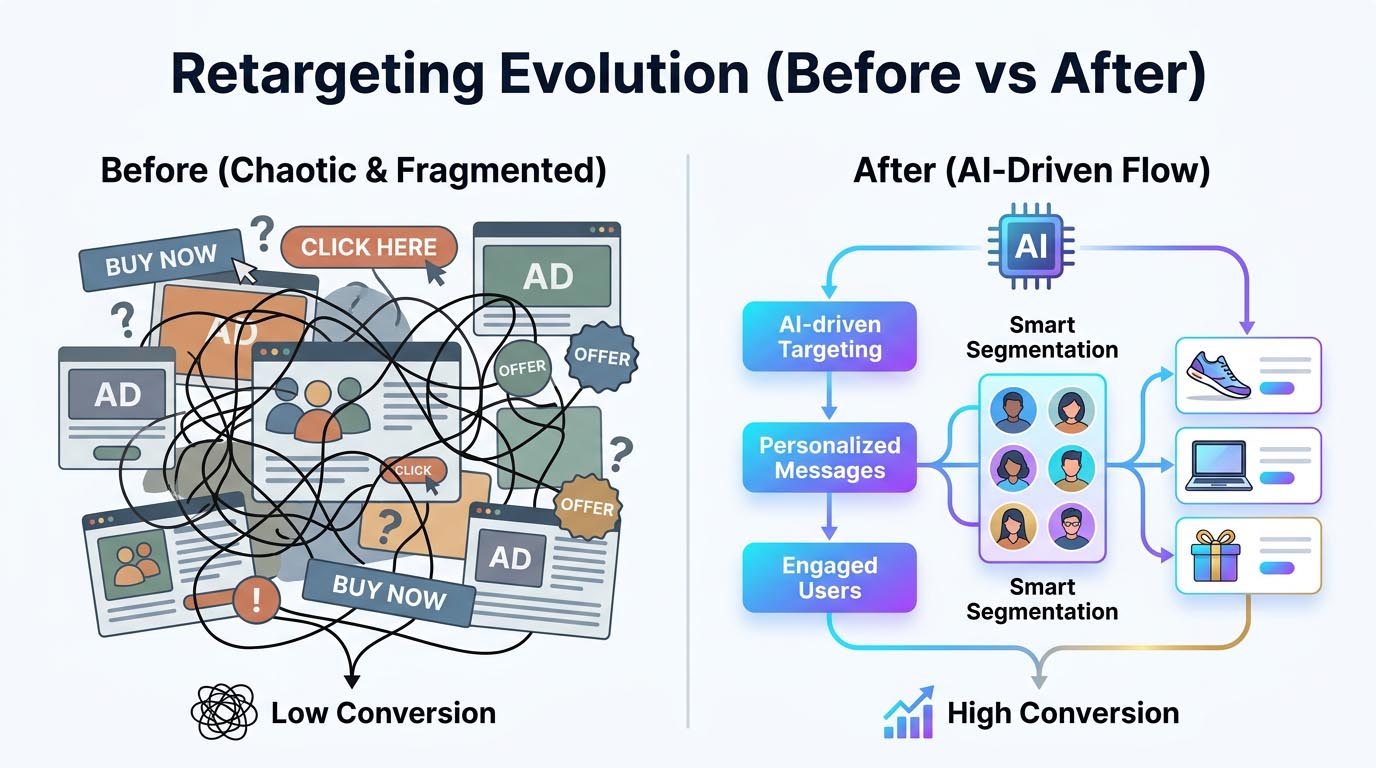
The traditional retargeting model casts a wide net. A user visits your website, is added to an audience pool, and later sees ads based on generalized behavior. It’s efficient at scale, but inefficient in intent. You’re still paying to reach many people who may never convert.
What’s emerging now is a different approach that shifts retargeting from probabilistic to deterministic.
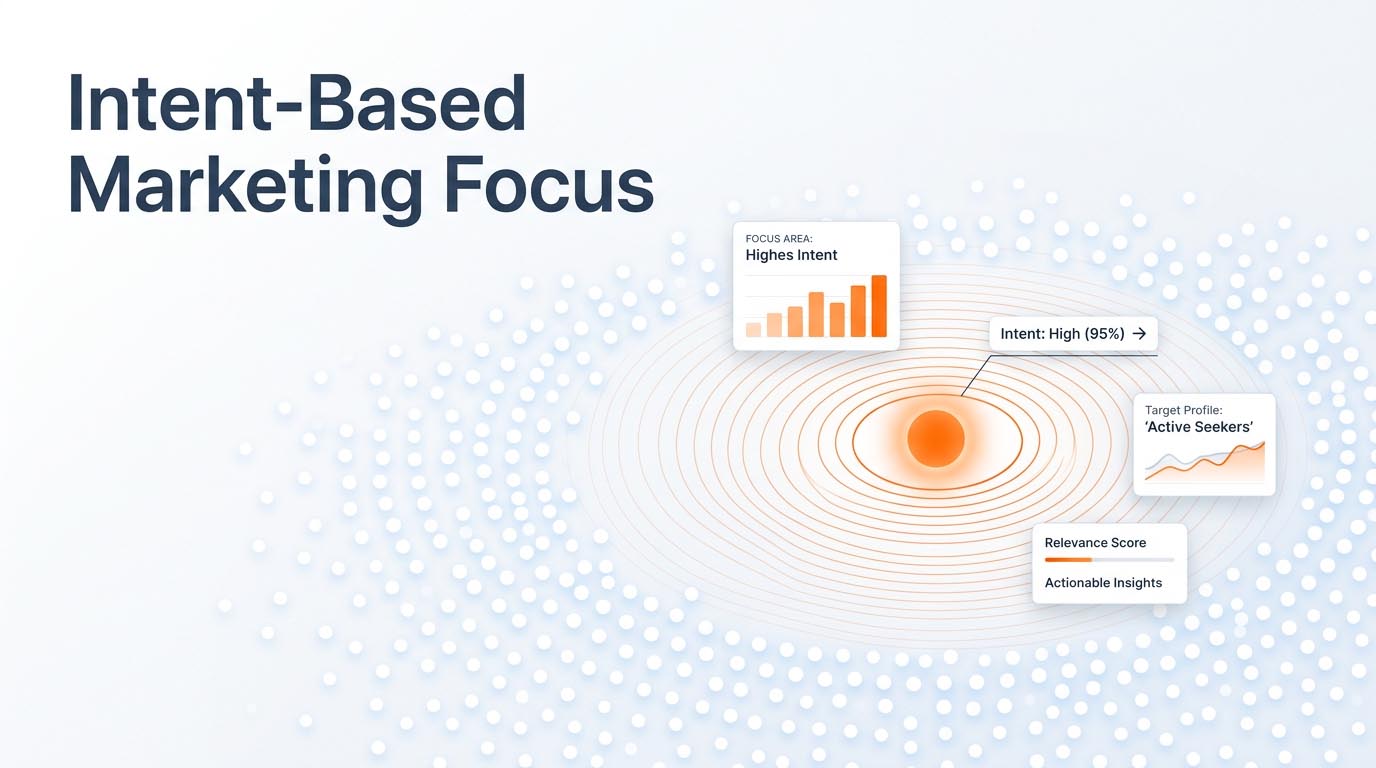
Instead of asking platforms to “find more people like this,” brands can focus on the people who have already shown meaningful intent. Not anonymous traffic. Not aggregated audiences. Actual individuals interacting with your brand.
This is where modern lead retargeting and AI begin to change the equation.
From Anonymous Traffic to Identifiable Intent
New technologies are enabling companies to move beyond company-level identification to individual-level insight. When a visitor lands on your site, their behavior can reveal far more than a session duration or bounce rate. With the right tools in place, brands can understand who that person is, what they explored, how often they returned, and where they are in the decision process.
To do this, we do not rely on invasive tactics. Our team operates within the boundaries of available data: signals left by users through normal browsing behavior. As long as users aren’t actively blocking or masking their presence, that information can be interpreted and connected.
What changes is not just the data itself, but how it’s used.
Instead of building a retargeting audience of thousands, brands can build micro-audiences, or even audiences of one. A prospect who visited your pricing page three times in a week is not the same as someone who skimmed your homepage once. Treating them the same in your advertising strategy is where most inefficiencies begin.
AI as the Decision Layer
If data is the foundation, AI is the layer that makes it actionable at scale.
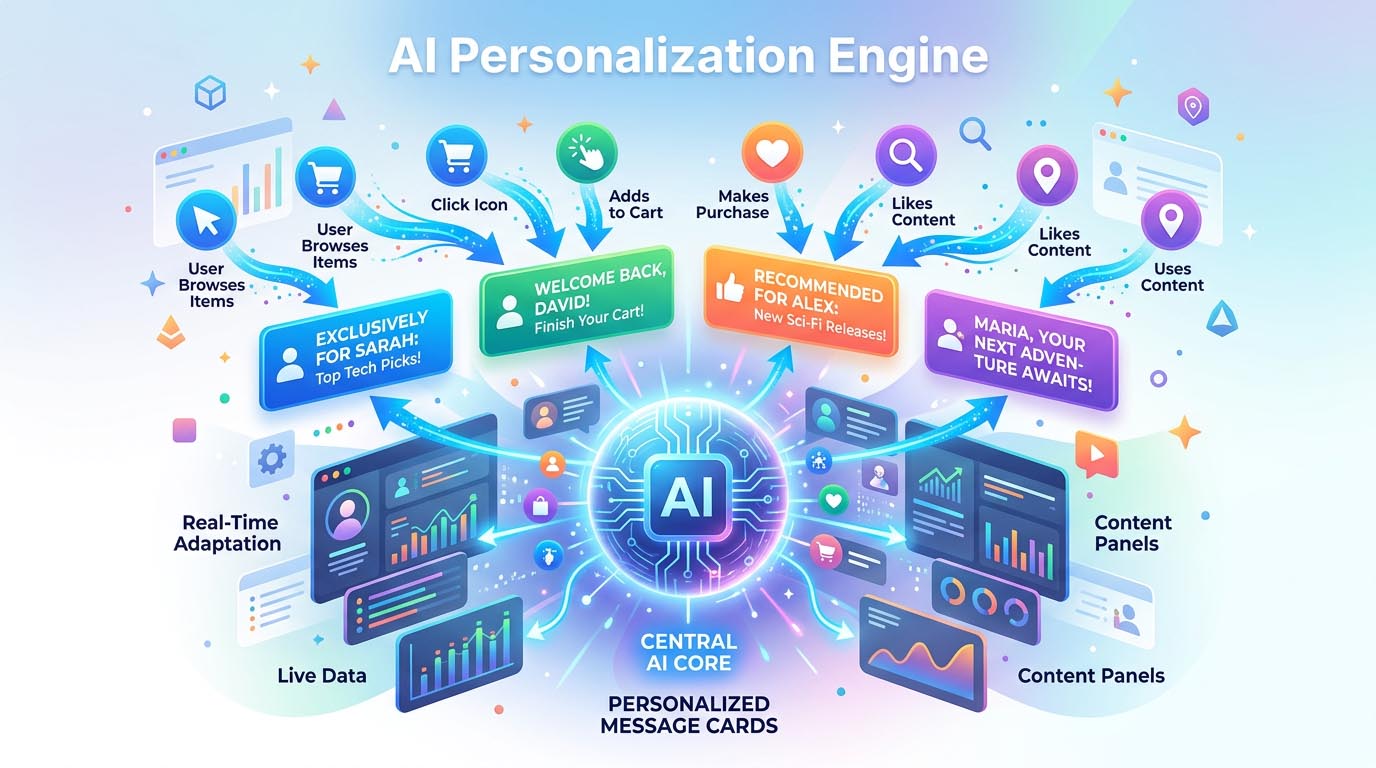
Artificial intelligence allows brands to interpret behavioral signals in real time and adjust messaging accordingly. It can prioritize leads based on likelihood to convert, trigger personalized ad sequences, and adapt creative based on engagement patterns.
This isn’t automation for its own sake; it’s relevance.
A returning visitor doesn’t need another generic brand message. They need reinforcement, reassurance, or a reason to act. AI helps identify what that “next message” should be, removing much of the guesswork that has historically defined retargeting campaigns.
The result is a shift from campaign-based thinking to journey-based thinking.
What This Means for ROI
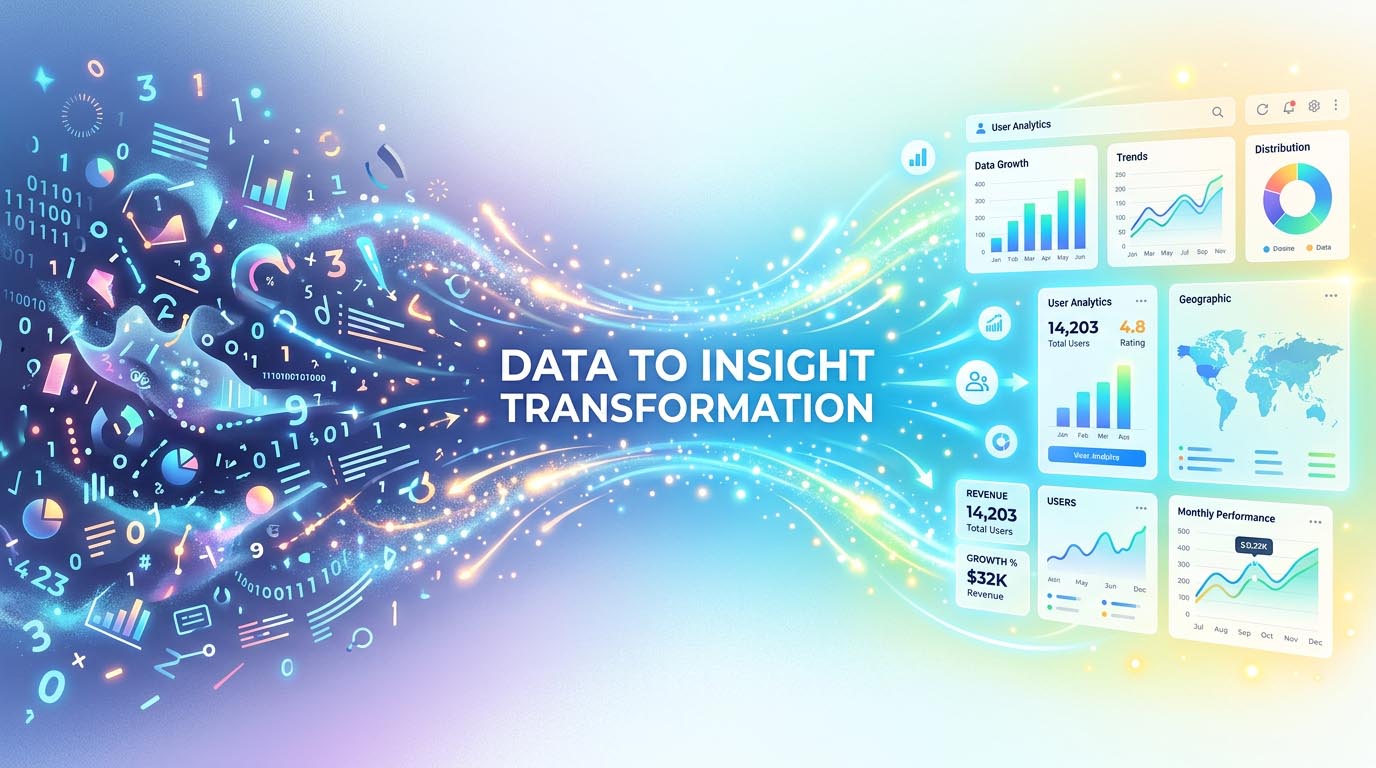
When brands move from broad retargeting to intent-driven retargeting, the impact is immediate and measurable.
Media spend becomes more efficient because it’s focused on prospects already in motion. Conversion rates improve because messaging aligns with actual behavior. Sales cycles can shorten because prospects are guided, not just reminded.
Most importantly, marketing starts working closer to the bottom of the funnel, where revenue is generated.
This doesn’t replace brand-building or top-of-funnel awareness. It complements it. But in an environment where budgets are scrutinized and performance is expected, this layer of precision becomes a competitive advantage.
Execution Matters Most
While the tools are becoming more accessible, the strategy behind them is not plug-and-play.
Identifying high-intent visitors is one piece. Integrating that data with your CRM is another.
Designing messaging that evolves with user behavior requires both creative and analytical thinking. And ensuring compliance with privacy standards is non-negotiable.
This is where experience begins to matter.
Having worked across more than two decades of digital transformation, we’ve seen how each wave of technology creates new opportunities and new complexities. From the early days of display advertising to the rise of social media, programmatic buying, and now AI-driven marketing, one pattern remains consistent: the brands that succeed are the ones that adapt quickly and thoughtfully.
Lead retargeting today sits at that intersection. It’s powerful, but only when implemented with a clear understanding of both the technology and the customer journey.
Build It Better
There’s no question that brands today have more tools at their disposal than ever before. With enough time and internal resources, it’s possible to experiment, test, and gradually build a more sophisticated retargeting approach.
But there’s also a cost to learning in real time: missed opportunities, inefficient spend, and delayed results.
Partnering with a team that has already navigated these cycles can accelerate that process. It allows brands to move directly into what’s working now, rather than rediscovering it through trial and error.
At eDesign Interactive, we approach this not just as a technical challenge, but as a strategic one. Retargeting is not a standalone tactic. It’s part of a broader ecosystem that includes user experience, creative storytelling, data architecture, and performance optimization.
When those elements work together, retargeting stops being a “reminder ad” and becomes a conversion engine.
An Invitation to Rethink Your Strategy
If your current retargeting efforts feel like they’re delivering diminishing returns, you’re not alone. The landscape has changed, and the strategies that once worked are no longer enough.
The opportunity now is to move beyond broad assumptions and start focusing on real intent. To use AI not just as a buzzword, but as a tool for meaningful personalization. And to treat every engaged visitor not as part of an audience, but as a potential customer already in conversation with your brand.
That shift doesn’t require a complete reinvention. But it does require a smarter approach.
If you’re exploring how to bring more precision, efficiency, and intelligence into your marketing, this is a conversation worth having. Tell us about your project →